
Mon – Fri 7:00 AM – 7:00 PM • Sat 7:00 AM – 2:00 PM
Youngstown Lawn & Patio Design LLC provides mulch installation in Canfield, OH for planting beds that need refreshed coverage, cleaner edges, managed depth, and a more finished appearance.



Mulch should frame plants and landscape features, not cover them indiscriminately. Before fresh material is spread, the beds may need loose debris removed, old buildup reviewed, borders redefined, and exposed soil prepared for more consistent coverage.
Our residential mulch installation considers bed size, existing material, plant spacing, tree trunks, drainage, and the depth already present. This groundwork helps prevent excessive buildup while creating a cleaner transition between lawn areas, planting beds, walkways, and other exterior surfaces.
A complete mulching service may include delivery, landscape bed preparation, edging, material placement, and controlled spreading. The actual scope depends on bed condition, existing mulch depth, access, and the selected decorative mulch options.
Loose debris and unwanted buildup are addressed before new material is placed.
Mulch bed edging creates clearer boundaries between planting areas and nearby lawn.
Mulch depth installation avoids unnecessarily heavy coverage around plants and landscape features.
Mulch delivery brings the selected quantity to the confirmed residential project location.
A mulch spreading service distributes material consistently across accessible landscape bed areas.
Seasonal mulch replacement refreshes thin, faded, displaced, or unevenly covered sections.
Mulch installation in Canfield, OH can improve bed definition, cover exposed soil, moderate moisture loss, and limit some weed growth when material is applied at a suitable depth.
Defined edges separate planting beds from grass, pavement, and outdoor surfaces.
Even application reduces bare patches and unnecessarily deep piles across the bed.
Soil moisture protection may improve when mulch reduces direct surface exposure.
Weed suppression mulch can limit some growth but does not eliminate maintenance.
We inspect existing material, exposed soil, borders, plants, and access conditions.
The bed dimensions and desired coverage guide the required material quantity.
Bulk mulch delivery is positioned where access and property conditions reasonably permit.
Fresh mulch application is distributed, adjusted, and cleared away from sensitive bases.
These answers address mulch depth, old material, weed control, timing, plant placement, delivery quantities, and the preparation needed before spreading begins.
Complete removal is not always necessary. Existing mulch should first be checked for depth, compaction, decomposition, contamination, and uneven buildup. Thin material may only need refreshing, while deep or matted layers may require reduction before another application is added.
Appropriate depth depends on the material, existing coverage, soil condition, plant type, and bed location. Applying too little may leave inconsistent coverage, while excessive depth can trap moisture against stems or trunks. The existing layer should be measured before more material is spread.
Mulch can reduce light reaching the soil and may limit some weed germination, but it does not create a weed-free bed. Established roots, airborne seeds, thin areas, disturbed soil, and organic buildup can still support growth. Periodic weed removal may remain necessary.
Mulch should not be piled tightly against tree trunks, shrub bases, or plant stems. Heavy contact can hold moisture around sensitive tissue and conceal developing problems. A small clear space should remain around plant bases while surrounding soil receives consistent coverage.
Quantity depends on the total bed area, desired depth, existing coverage, material type, and whether old mulch remains. A mulch project estimate should be based on measured square footage rather than visual guessing, especially when several beds have different widths, shapes, or current depths.
A planned yard mulch service replaces patchy coverage with measured depth, cleaner borders, and more consistent material placement across the landscape.
The right amount highlights plants, covers exposed soil, and strengthens landscape boundaries without creating thick piles around trunks, stems, or established features.
3530 Starwick Dr, Canfield, Ohio 44406
(330) 716-0586
jasonreed86@gmail.com
MONDAY to FRIDAY: 7 AM to 7 PM | SATURDAY: 7 AM to 2 PM | SUNDAY: CLOSED
Mulched beds look more intentional when surrounding lawns, planting layouts, and landscape features receive the level of upkeep needed to maintain clear transitions.

A residential landscaping company can use landscape design services to coordinate bed placement, plant spacing, borders, and surrounding yard features.
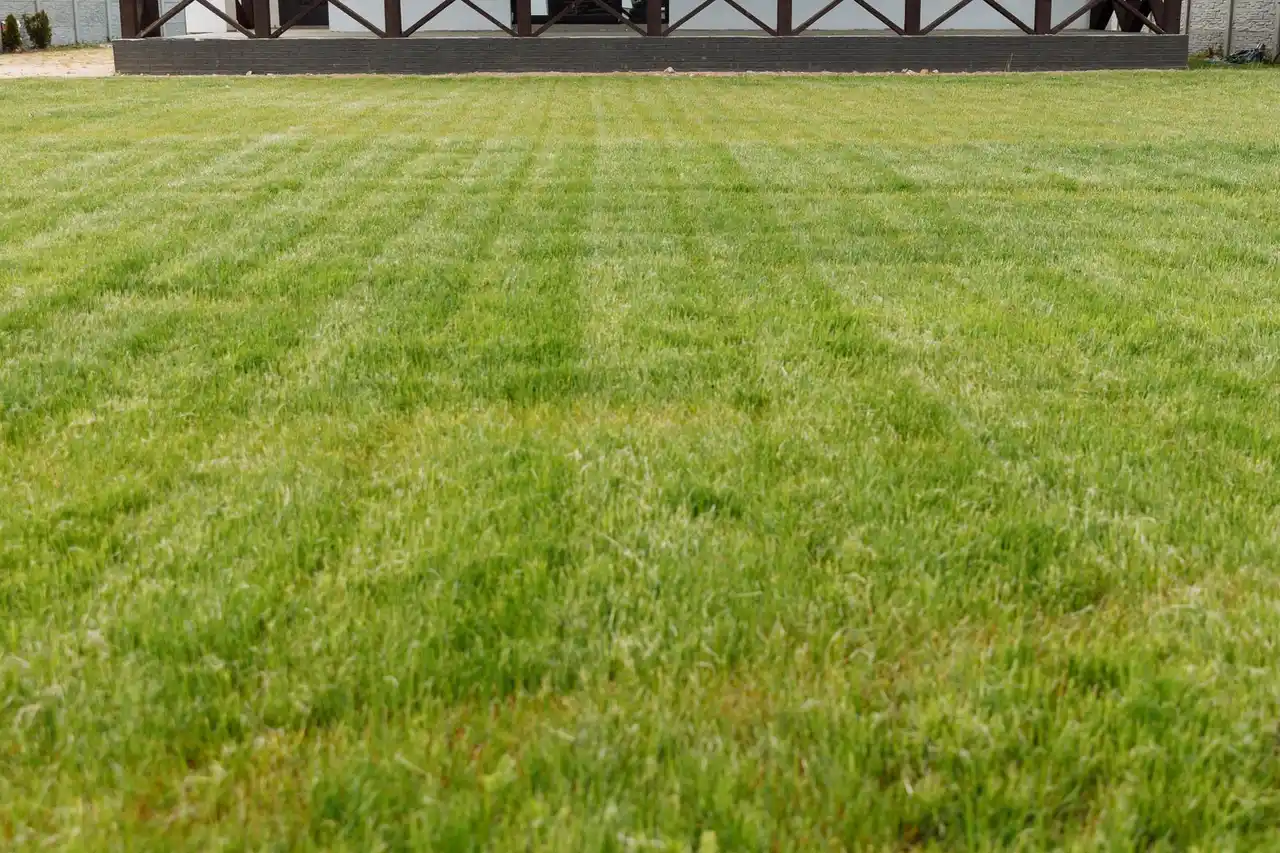
Use routine lawn maintenance to keep grass growth from softening or overtaking freshly defined mulch-bed edges.

Coordinate professional grass cutting with flower bed mulching and garden bed mulching for cleaner boundaries between turf and planted areas.